💡 Did You Know?
Solving riddles activates the prefrontal cortex, improving decision-making and problem-solving skills.
Classic riddles have been shared across cultures for centuries, from Greek and Norse traditions to modern classroom activities, showing their timeless appeal.
🎯 Riddle of the Day
I speak without a mouth,
I hear without ears,
I answer when you call.
Can you guess the answer? Comment below!
🧠 Classic riddles with answers
- What has keys but can’t open locks? (Answer: Piano)
- What runs but never walks? (Answer: River)
- What has a face and two hands but no arms? (Answer: Clock)
- What gets wetter the more it dries? (Answer: Towel)
- What has a neck but no head? (Answer: Bottle)
- What has one eye but cannot see? (Answer: Needle)
- What can travel the world while staying in one place? (Answer: Stamp)
- What has a heart but doesn’t beat? (Answer: Artichoke)
- What can be broken but never held? (Answer: Promise)
- What goes up but never comes down? (Answer: Age)
👶 Classic riddles for kids
- What shines in the sky during the day? (Answer: Sun)
- What comes down from clouds? (Answer: Rain)
- What has four legs and says “meow”? (Answer: Cat)
- What barks and is a pet? (Answer: Dog)
- What do we wear on our feet? (Answer: Shoes)
- What is round and bounces? (Answer: Ball)
- What do we drink that comes from cows? (Answer: Milk)
- What helps us see at night in the sky? (Answer: Moon)
- What grows in the ground and is orange? (Answer: Carrot)
- What do we use to write in school? (Answer: Pencil)
🧠 Classic riddles for adults
- I speak without a mouth and hear without ears. What am I? (Answer: Echo)
- The more you take, the more you leave behind. What am I? (Answer: Footsteps)
- What is always in front of you but cannot be seen? (Answer: Future)
- What has many keys but opens no doors? (Answer: Piano)
- What can fill a room but takes no space? (Answer: Light)
- What gets sharper the more you use it? (Answer: Brain)
- What has cities, but no houses? (Answer: Map)
- What can be seen once in a minute, twice in a moment, but never in a thousand years? (Answer: Letter M)
- What can you catch but not throw? (Answer: Cold)
- What breaks without being touched? (Answer: Promise)
📚 1000 riddles with answers (sample SEO idea set)
Instead of writing 1000 here, here are high-ranking categories you can expand into a mega-post:
- Classic riddles
- Hard riddles
- Funny riddles
- Kids riddles
- Adult riddles
- Trick questions
- Logic puzzles
- Brain teasers
- “What am I?” riddles
- Lateral thinking riddles
👉 Example expansion format (SEO-friendly):
- What has keys but opens no doors? (Answer: Piano)
- What runs but never walks? (Answer: River)
- What has a heart but doesn’t beat? (Answer: Artichoke)
- What gets wetter as it dries? (Answer: Towel)
- What can travel the world without moving? (Answer: Stamp)
👶 Classic riddles with answers for kids
- What has wheels and goes vroom? (Answer: Car)
- What flies in the sky and has wings? (Answer: Bird)
- What is yellow and bright in the sky? (Answer: Sun)
- What do we use to cut paper? (Answer: Scissors)
- What do we eat that is cold and sweet? (Answer: Ice cream)
- What bounces and is used in games? (Answer: Ball)
- What grows in the garden and is green? (Answer: Plant)
- What do we drink in the morning? (Answer: Milk/Tea)
- What has four legs and lives in homes? (Answer: Table/Chair)
- What helps us see in the dark sky? (Answer: Moon)
🧩 Tricky riddles with answers
- What can you break without touching it? (Answer: Promise)
- What comes once in a minute, twice in a moment, but never in a thousand years? (Answer: Letter M)
- What has a face but no eyes? (Answer: Clock)
- What gets bigger the more you take away from it? (Answer: Hole)
- What belongs to you but others use it more? (Answer: Name)
- What can run but never walk? (Answer: River)
- What has hands but cannot clap? (Answer: Clock)
- What is always coming but never arrives? (Answer: Tomorrow)
- What has many teeth but cannot bite? (Answer: Comb)
- What is so fragile that saying its name breaks it? (Answer: Silence)
🧠 Classic riddles and brain teasers
- I have branches but no fruit, trunk but no wood. What am I? (Answer: Bank)
- I am not alive, but I grow. What am I? (Answer: Fire)
- I have cities but no people. What am I? (Answer: Map)
- I am taken before you can get me. What am I? (Answer: Picture)
- I have a head, a tail, but no body. What am I? (Answer: Coin)
- I can fly without wings. What am I? (Answer: Time)
- I get sharper the more you use me. What am I? (Answer: Brain)
- I am always in front of you but unseen. What am I? (Answer: Future)
- I move without legs and cry without eyes. What am I? (Answer: Cloud/Rain)
- I can be long or short, but I always end. What am I? (Answer: Life/Story)
📄 Classic riddles with answers PDF (SEO suggestion)
You can turn this into a downloadable PDF with sections like:
- Easy riddles (kids)
- Medium riddles (students)
- Hard riddles (adults)
- Trick questions
- Brain teasers
🕵️♂️ Timeless Classic Riddles
What has keys but can’t open doors? 👉 A piano
What has hands but cannot clap? 👉 A clock
What has a head and a tail but no body? 👉 A coin
What gets wetter the more it dries? 👉 A towel
What comes once in a minute, twice in a moment, but never in a thousand years? 👉 The letter M
🌟 Clever Wordplay Riddles
What belongs to you but is used more by others? 👉 Your name
What has a neck but no head? 👉 A bottle
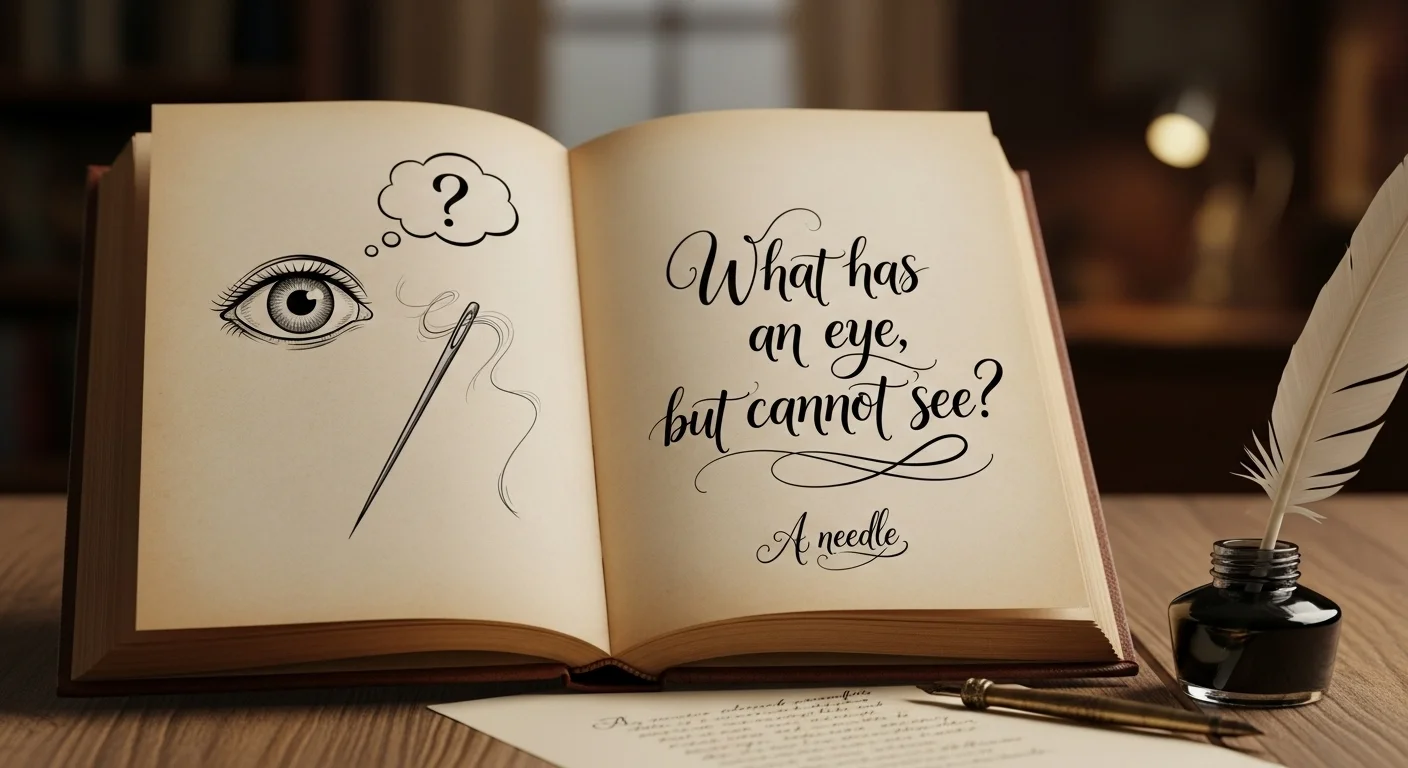
What has one eye but cannot see? 👉 A needle
What can travel around the world while staying in a corner? 👉 A stamp
What can fill a room but takes up no space? 👉 Light
🧩 Lateral Thinking Classic Riddles
What can you catch but not throw? 👉 A cold
What is always in front of you but can’t be seen? 👉 The future
What has cities but no houses, rivers but no water? 👉 A map
What has words but never speaks? 👉 A book
What can break but never falls, and what falls but never breaks? 👉 Day and night
😄 Fun & Kid-Friendly Classic Riddles
What has four legs in the morning, two legs at noon, and three legs in the evening? 👉 A human
What has a face and two hands but no arms or legs? 👉 A clock
What has wheels but doesn’t move? 👉 A toy car
What runs but never walks? 👉 Water
What has teeth but cannot bite? 👉 A comb
🔍 Mystery and Detective Riddles
What has towns but no people? 👉 A map
What can go up but never comes down? 👉 Age
What has holes but holds water? 👉 A sponge
What is always coming but never arrives? 👉 Tomorrow
What can you keep after giving it to someone? 👉 Your word
🧠 Brain-Boosting Classic Riddles
I am not alive, but I grow; I don’t have lungs, but I need air. What am I? 👉 Fire
The more you take, the more you leave behind. What am I? 👉 Footsteps
What can run but never walks, has a mouth but never talks? 👉 A river
What has a bed but never sleeps? 👉 A river
What has keys and doors but no locks? 👉 A piano
🌍 Global Classic Riddles
I fly without wings, I cry without eyes. What am I? 👉 Cloud
What comes down but never goes up? 👉 Rain
What belongs to you but is mostly used by others? 👉 Your name
I can be cracked, made, told, and played. What am I? 👉 A joke
I’m tall when I’m young and short when I’m old. What am I? 👉 A candle
